

Shaping the Future in DeepTech Skills: NextTechTalents at Cluj Innovation Days 2026
How to bridge the gaps in the career paths of the Early Stage Researchers, how to incorporate AI into the streamlining of the project, how to better reach the Early State Researchers- these discussion points dominated the event.
The NextTechTalents project has participated between May 28th – May 29th at Cluj Innovation Days 2026, one of the major events dedicated to innovation in the region of Transylvania, Romania. The event was organized by Cluj IT Cluster and hosted in the generous spaces of the Radisson Blu hotel in the city of Cluj-Napoca.
The focus of the event was on planning the next steps in the implementation of the project; to reunite researchers, industry representatives and ECRs and engaging the conversation on how to better integrate the next generations talents in DeepTech fields and nurture new DeepTech talents; to help improve the cooperation between academia and the DeepTech sector.
All the consortium partners: MINDS & SPARKS GmbH (Austria), Babeș-Bolyai University (Romania), Ventspils Augstskola (Latvia), Jožef Stefan Institute (Slovenia), Munster Technological University (Ireland), Impact Hub Biedriba, Cluj IT Cluster, Zavod Digitalno Inovacijsko Sticisce Slovenije (Slovenia) participated actively in the consortium meeting providing valuable input for the next phases of the project. Parts of a promotional film for the clustering event of the sister WIDERA projects were filmed on location.
It was a complex event in which many facets of the project were explored. Bellow we take a quick look at what was achieved in the two days of the meeting.
Day One, May 28th – Evaluation and deployment
The day was dedicated to two main activities, organized by the NTT project team from Babeș-Bolyai University, led by dr. Mihaela Aluaș:
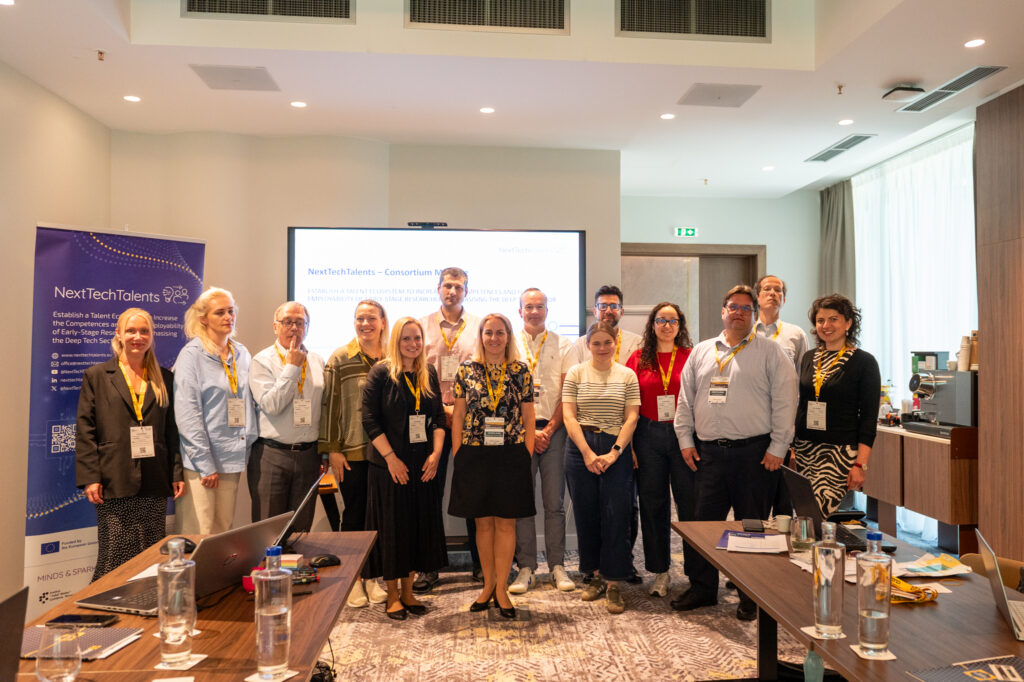
NextTechTalents consortium meeting
The project consortium partners met in order to evaluate the activity performed up to the point and to plan the next steps in the implementation of the project. As always, the main preocupation is to align the project with the the goals of the European Research Area, enhancing a robust and consistent talent ecosystem and supporting Early Stage Researchers in integrating successfull career paths. In pursuing this goal, the ResearchComp matrix is used as a calibration tool for all the efforts involved.
At present, the research and documentation phase of the project – in which the state of the art in the field has been analysed- can be considered as mostly completed. The main effort of the project consortium partners is now concentrating on the design and implementation of comprehensive Training and Career Services, specifically tailored for ECRs. Stimulating and productive discussions were engaged on how to better design the NextTechTalents Implementation Handbook for HR managers. Different innovative approaches in better delivering the Handbook were pondered and the most promising pathways adopted. Another point under discussion was the deployment of elements from the integrated NextTechTalents Training System: webinars, hands-on courses, workshops. The experience gathered in the trainings already organized in the project was analysed, the preparation phase, technical aspects and delivery were evaluated in order to improve the process in future career paths.
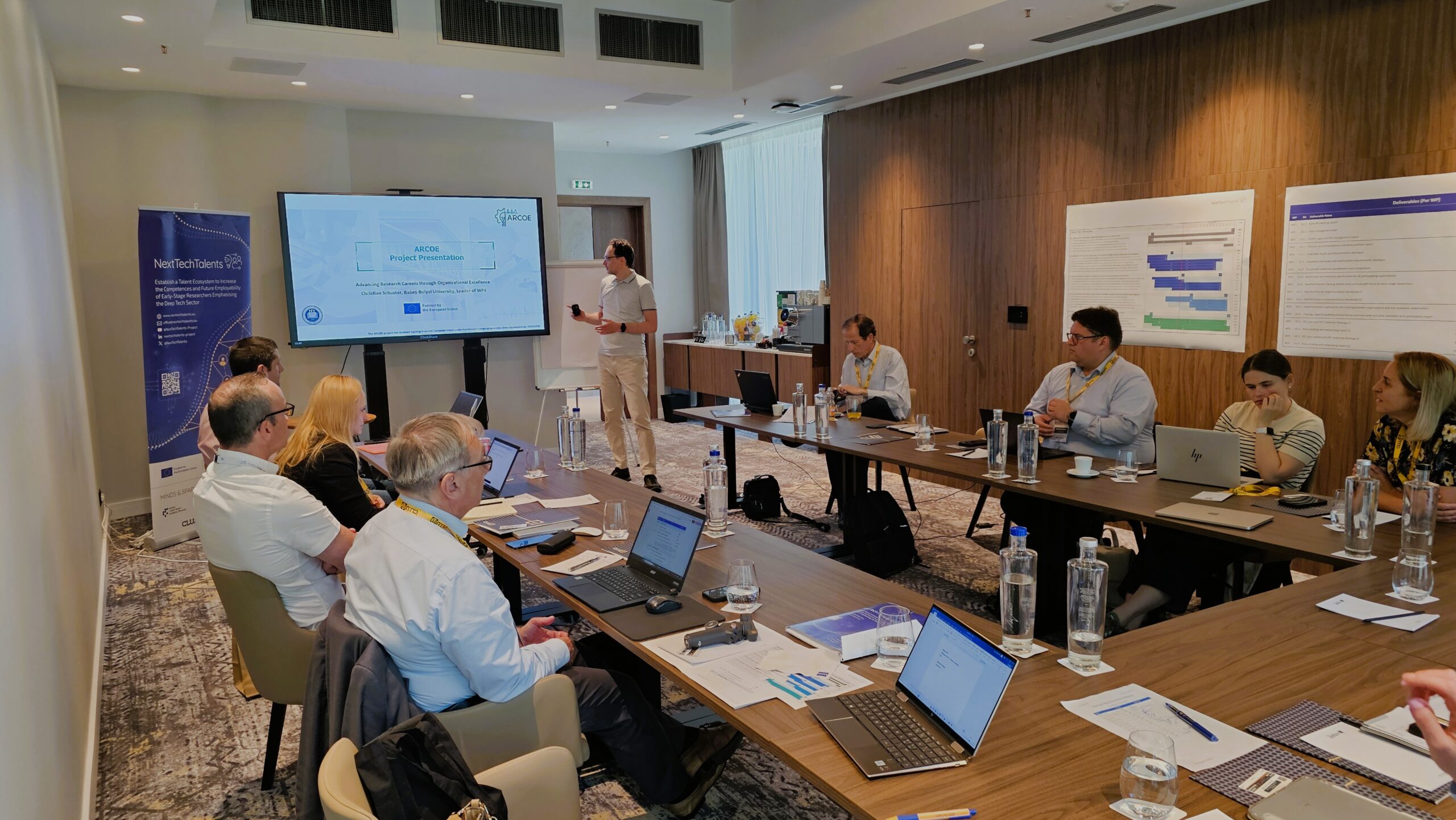
Another important moment of the consortium meeting was the presentation of the sister WIDERA project ARCOE, made by dr. Christian Schuster, member of the Babeș-Bolyai University project team coordinator. Dr. Schuster presented the approach undertaken by the ARCOE team in reaching the goals of perfecting the career trajectories of ECRs. Ideas were exchanged in a lively debate that generated the much-needed synergy between sister WIDERA projects that are designed to be complimentary in advancing the goals of the European Research Area.
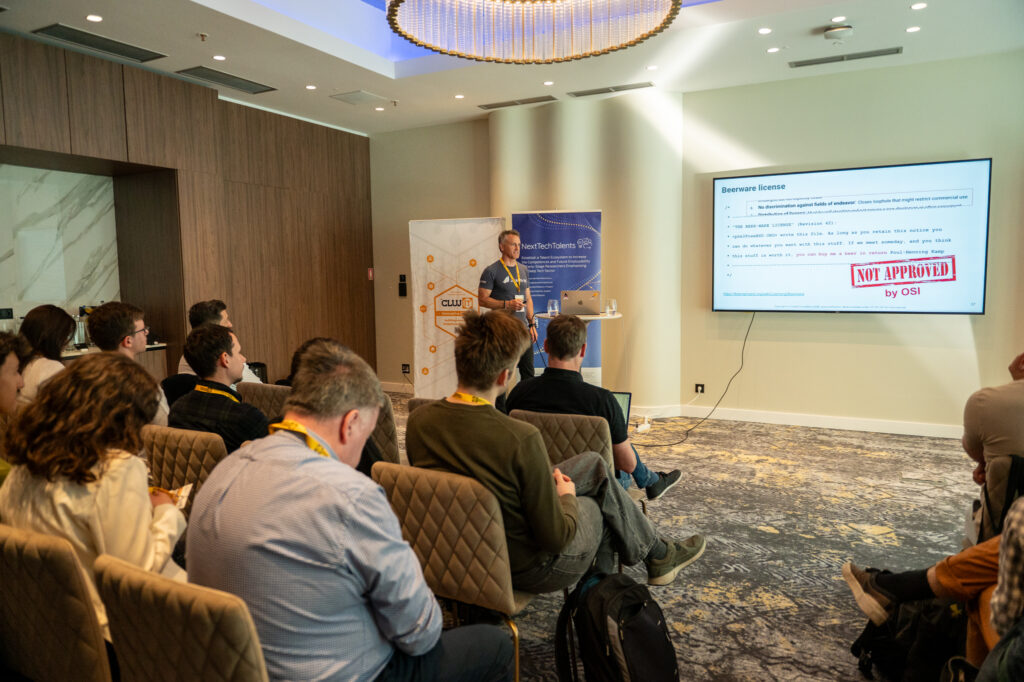
Operating Open-Source Software
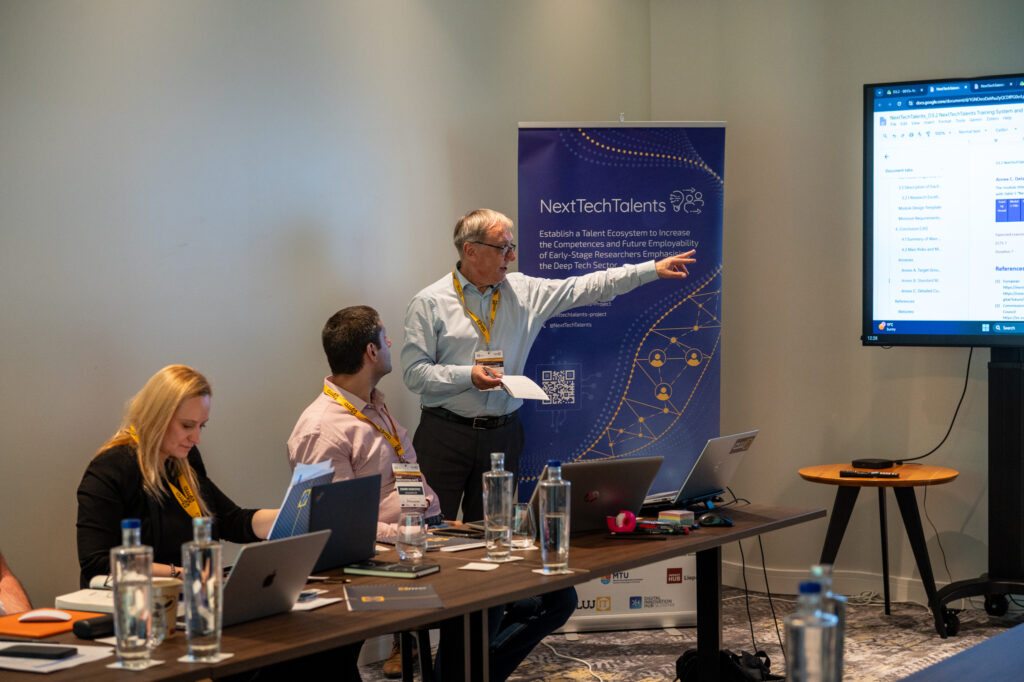
The other main event of the day was the “Operating Open-Source Software“ hands-on course delivered by Ivar Grimstad, Jakarta EE Developer Advocate, assisted by dr. Rosaria Rossini, Senior Project Manager – both from the Eclipse Foundation. The course presented the ECRs with first hand knowledge on how to use open-source software tailored to their professional needs, how to become part of the open-source developer community, how to become co-creators of open-source programs, and how to optimize them according to their professional needs. Participants were also offered extensive networking opportunities and the chance to build training and professional development networks that remain up-to-date throughout their professional careers. Last but not least, one of the obstacles faced by ECRs and other early stage professionals at the beginning of their careers is the high cost of the software required for scientific research or their professional needs. A solid understanding of Open-Source systems offers alternative ways to address the needs of young researchers and professionals related to their research and professional activities- and this formed a substantial part of the course.
Day Two, May 29- Integrating the network
On the second day, the NextTechTalents consortium partners participated in the discussion panels of Cluj Innovation Days 2026, which were dominated by the spectre of AI and its impact on the present and the future of work.
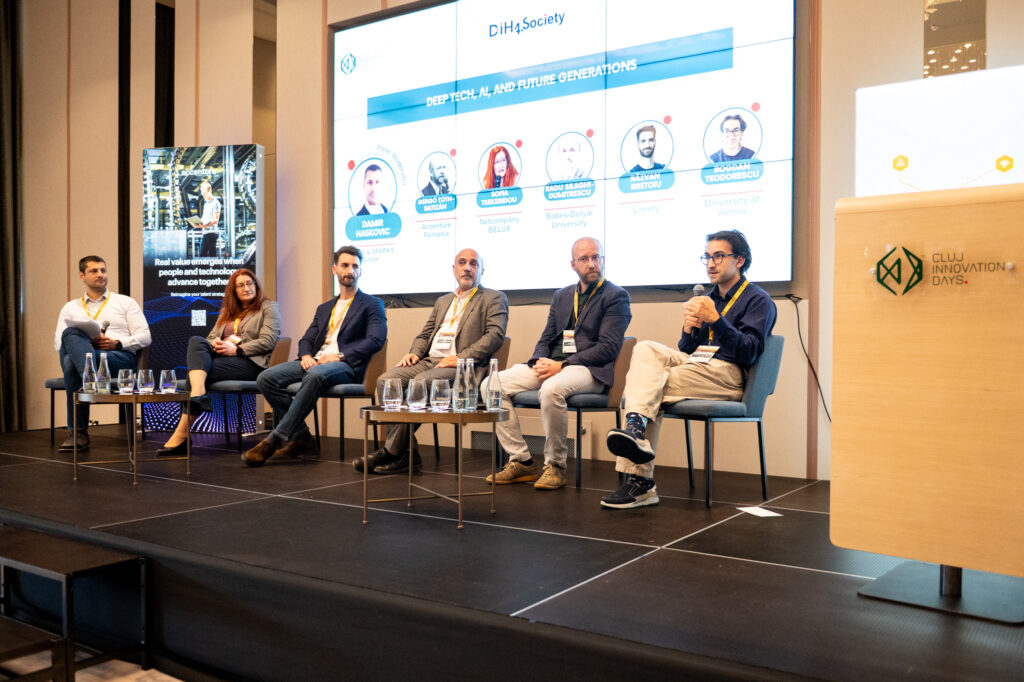
Dr. Damir Haskovic (MINDS & SPARKS GmbH, AUT- lead partner), Project Coordinator of the NextTechTalents project moderated the „DeepTech, AI and Future Generations“ panel, organized by Cluj IT Cluster and reuniting specialists from academia and business:
- Bogdan Teodorescu – Junior Researcher, University of Vienna (RO, AUT)
- Gergő Tóth-Batizán – Head of Data & AI, Accenture Romania (RO)
- Radu Silaghi-Dumitrescu – Professor, Babeș-Bolyai University (RO)
- Răzvan Bretoiu – Co-Founder & CTO, Linnify (RO)
- Sofia Tsekeridou – Senior Research & Innovation Manager, Netcompany BELUX (GR)
The panel members discussed AI’s potential for disruption in the activity of DeepTech firms, the ways in which AI challenges the established paradigms, how to address the new problems engendered by the large scale adoption of AI. Practical remedies and mitigation methods were inferred and proposed, in a discussion that maintained a cautiously optimistic tone.
References
LinkedIn channel: https://www.linkedin.com/company/nexttechtalents-project
X channel: https://twitter.com/NextTechTalents
YouTube channel: https://www.youtube.com/@NextTechTalents-Project
Keywords
Talent ecosystem, deep tech, early-stage researchers, training system, researcher careers, European Research Area, research policy