


Preparations by the Slovenian partners for crucial project phase
The NextTechTalents project aims to establish a talent ecosystem to increase the competences and future employability of early-stage researchers. With emphasis on the deep tech sector, the project has reached an important milestone: after 14 months of hard work, we are entering the stage where NextTechTalents will begin providing training sessions for early-stage researchers.
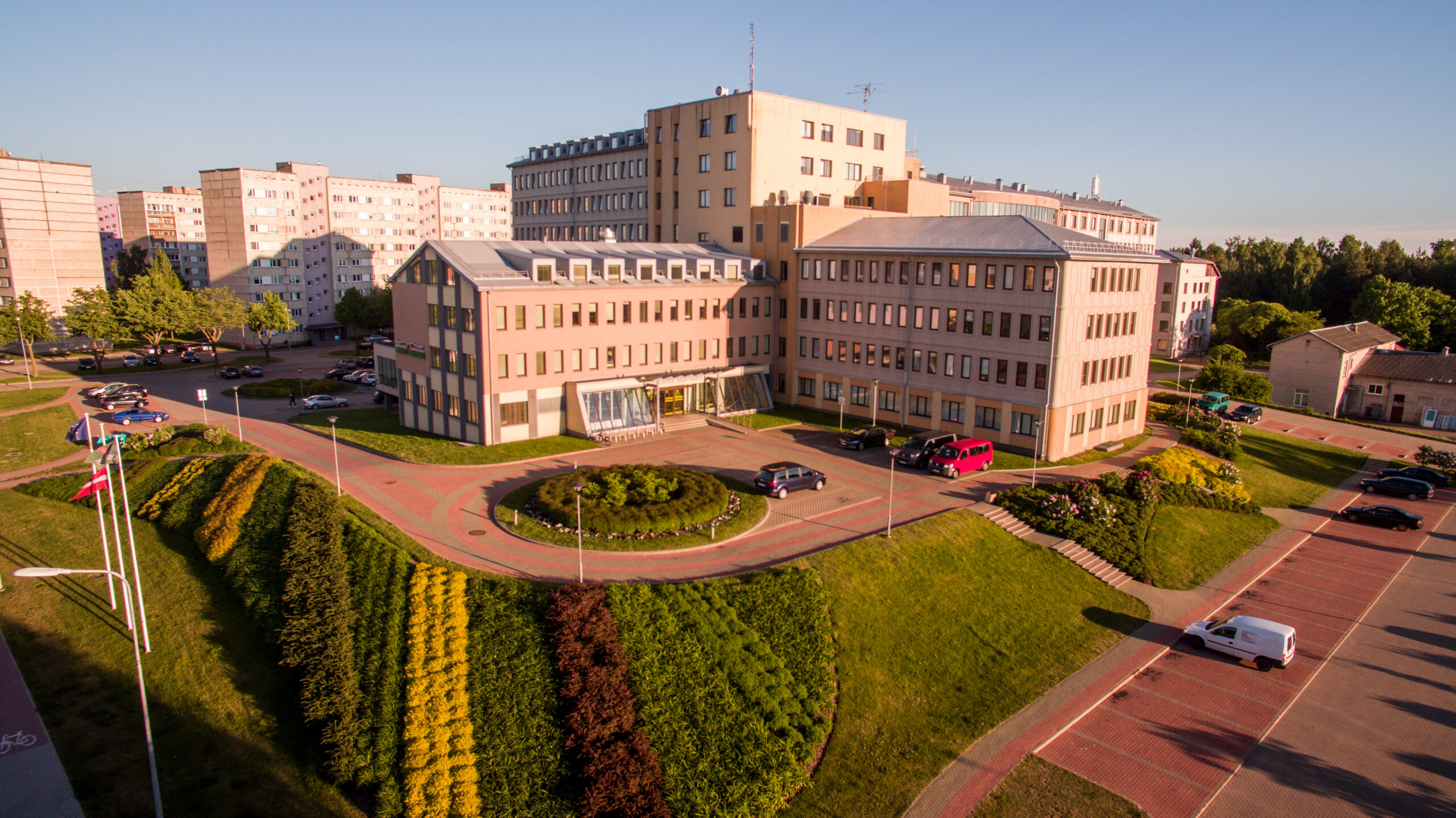
Digital Innovation Hub Slovenia (DIHS) is a support partner for the Jožef Stefan Institute (JSI), a leading Slovenian scientific research institute, within the NextTechTalents project in Slovenia. JSI and DIHS, in cooperation with respected project partners in their home countries, are now beginning work on activities to provide a curriculum for the target audience in Slovenia.
The curriculum is organised into six training strands: (1) Research Excellence and Methods; (2) Data, Digital and Open Science; (3) Managing Research and Projects; (4) Innovation, Impact and Intersectoral Transition; (5) Communication, Collaboration and Public Engagement; and (6) Self-management, Resilience and Career Development.
Each strand defines its purpose, target groups, competence areas, example topics, and expected contribution to researcher development. We aim to support R1 doctoral candidates, R2 postdoctoral researchers and broader target groups; rather than functioning as a collection of isolated courses, we wish to connect competence development, practical application, mentoring, and exposure to research and innovation ecosystems.
The training sessions will start in the autumn of 2026.
Important milestones have been reached
Highlighting two deliverables where DIHS was strongly involved:
Deliverable D3.2: the NextTechTalents Training System and curricula focused on early-stage researchers, DIHS conducted the official document review. The deliverable specifies the operational design of the NextTechTalents Training System. Building on WP2 evidence, it translates the project’s strategic framework into an implementation-ready model for early-stage researchers, with relevance for Deep Tech contexts and the European Research Area.
The Training System responds directly to challenges identified in previous project activities. These include limited access to practice-oriented and interdisciplinary training, insufficient mentoring and career guidance, weak exposure to non-academic career pathways, and competence gaps in areas such as data stewardship, digital proficiency, project management, innovation literacy, and cross-sector collaboration.
The Training System is conceived as a structured, multi-layered, competence-based framework aimed primarily at R1 doctoral candidates and R2 postdoctoral researchers, while remaining selectively relevant to broader target groups. Its objective is to strengthen competences, employability, and career resilience by integrating disciplinary and transferable skills into a coherent developmental pathway.
Deliverable D3.3, NextTechTalents Implementation Handbook, DIHS was a contributor, and JSI was responsible for its preparation. The deliverable presents the conceptual design and implementation framework for the NextTechTalents Implementation Handbook.
Building on the needs analysis, ecosystem mapping, and stakeholder consultations conducted in WP2, and aligned with the Training System developed in WP3, the Handbook is structured around four key stakeholder personas: early-career researchers, mentors, HR managers, and innovation brokers.
The Handbook will provide personalised learning pathways, competence-development resources, mentoring support, implementation guidance, and career-development tools tailored to Deep Tech research and innovation ecosystems.
DHIS and JSI look forward to starting NextTechTalents training sessions in Slovenia.
Links
NextTechTalents: www.nexttechtalents.eu
Digital Innovation Hub Slovenia: https://dihslovenia.si/en
Jožef Stefan Institute: https://ijs.si/ijsw/V001/JSI
Keywords
Early-stage researchers, Deep Tech, Researcher training, Researcher training, Researcher training, JSI, DIHS